
Kitchen Cabinets Lead the Way in Built-In Kitchen Upgrades
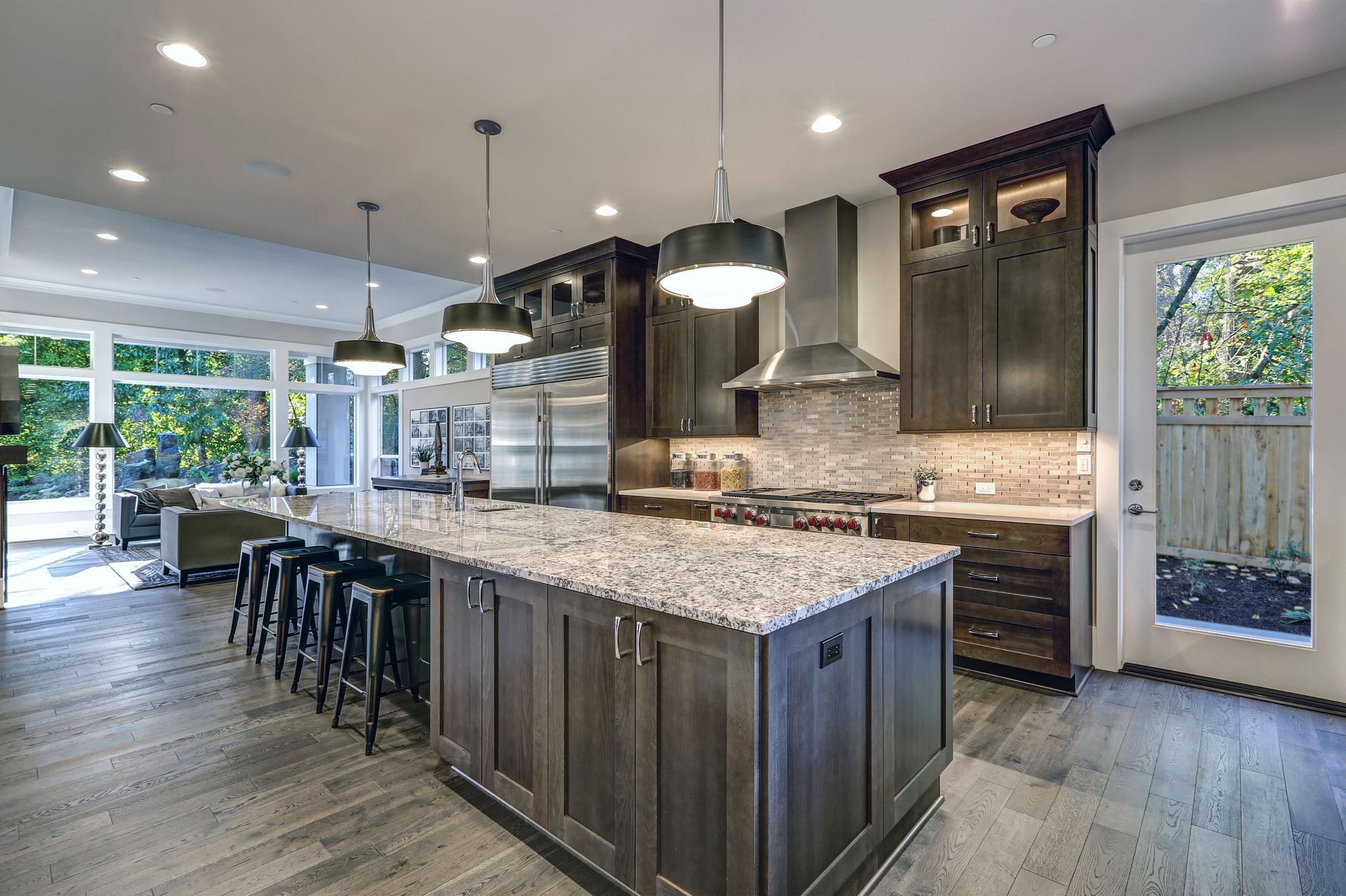
In the modern realm of residential renovations today, home design strategies continuously pivot around spaces that combine deep mechanical utility with high-end aesthetic appeal. At the absolute center of this spatial movement, kitchen cabinets have emerged as pivotal components that significantly influence both the visual harmony and daily functional performance of a home. They are universally considered to be at the forefront of intentional, built-in layout configurations due to their unique structural ability to transform an ordinary cooking room into a highly organized, sophisticated culinary haven. As homeowners increasingly seek to optimize their residential floor plans, custom storage installations play a crucial role by offering adaptable storage solutions and establishing the architectural boundaries of the room. They provide structural storage while acting as a primary canvas for textures, colors, and spatial harmony within the home.
Historical Evolution and Structural Milestones
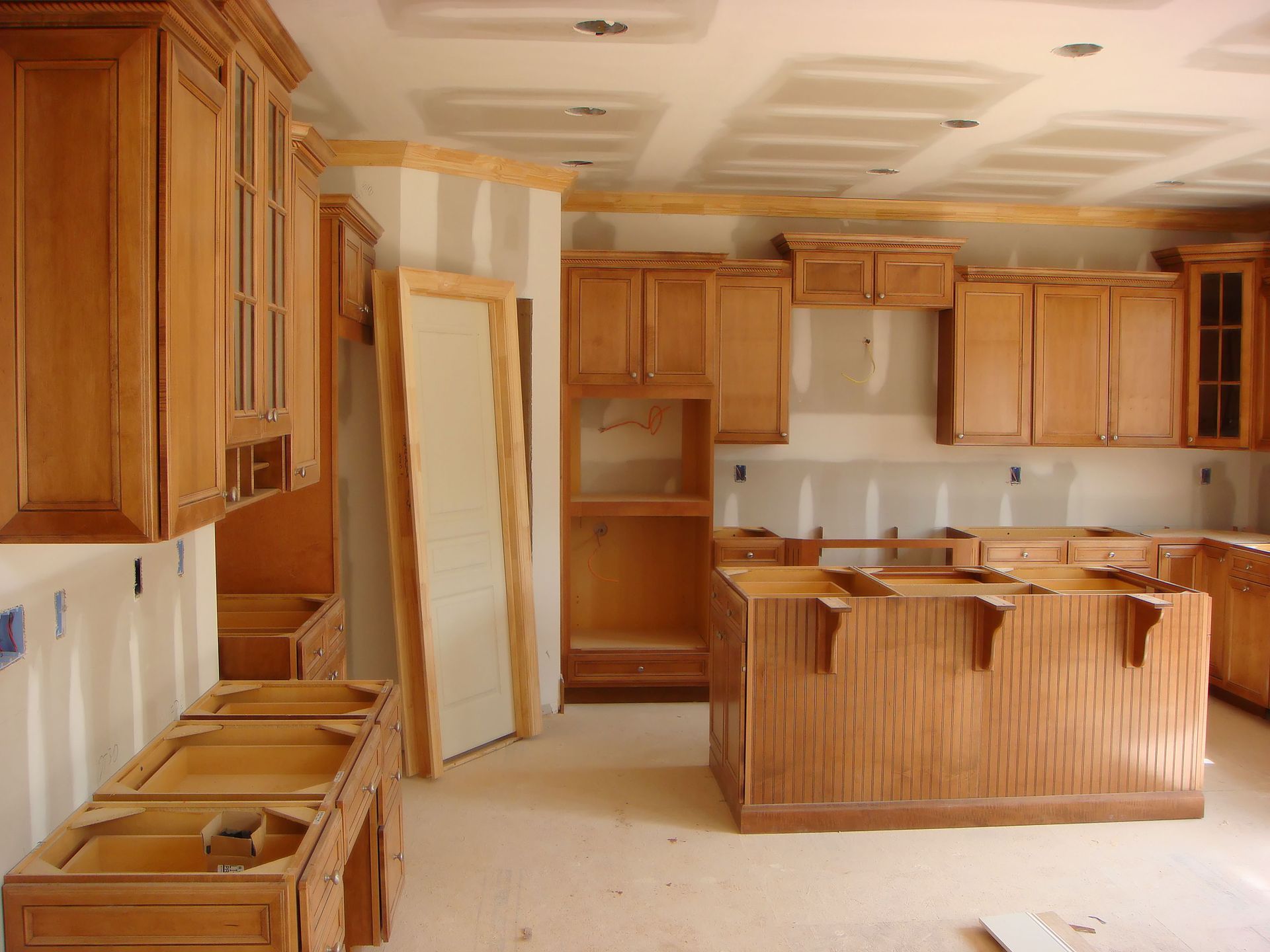
Organized residential storage traces back to the early twentieth century, where the primary function of kitchen cabinets was to provide basic storage for essential culinary tools and cast-iron cookware. At the time, these standalone pieces were simplistic, crafted primarily from heavy local hardwoods, and involved intensive manual carpentry. Their early structural formats were restricted by the raw materials readily available in regional lumber yards and the limited industrial manufacturing capabilities of the era.
The mid-century modern movement introduced a wave of structural cabinet philosophies that emphasized clean geometric lines, minimal surface ornamentation, and an absolute focus on spatial practicality. This design era fundamentally altered consumer expectations, shifting baseline layouts toward unified built-in configurations rather than detached storage boxes. As automated manufacturing capabilities and computer-aided processing systems advanced later in the century, the baseline capabilities of custom millwork expanded exponentially.
The introduction of standardized synthetic substrates, multi-layered particleboards, and moisture-resistant plywood matrices allowed fabricators to offer unprecedented structural durability at a much more accessible consumer price point. Today, computerized cutting systems, automated edge-banding machinery, and precision finishes ensure that modern architectural storage systems remain highly resilient, perfectly square, and inherently stable when subjected to the high humidity, variable temperatures, and intense physical wear characteristic of active domestic culinary environments.
Contemporary Trends and Built-In Integration
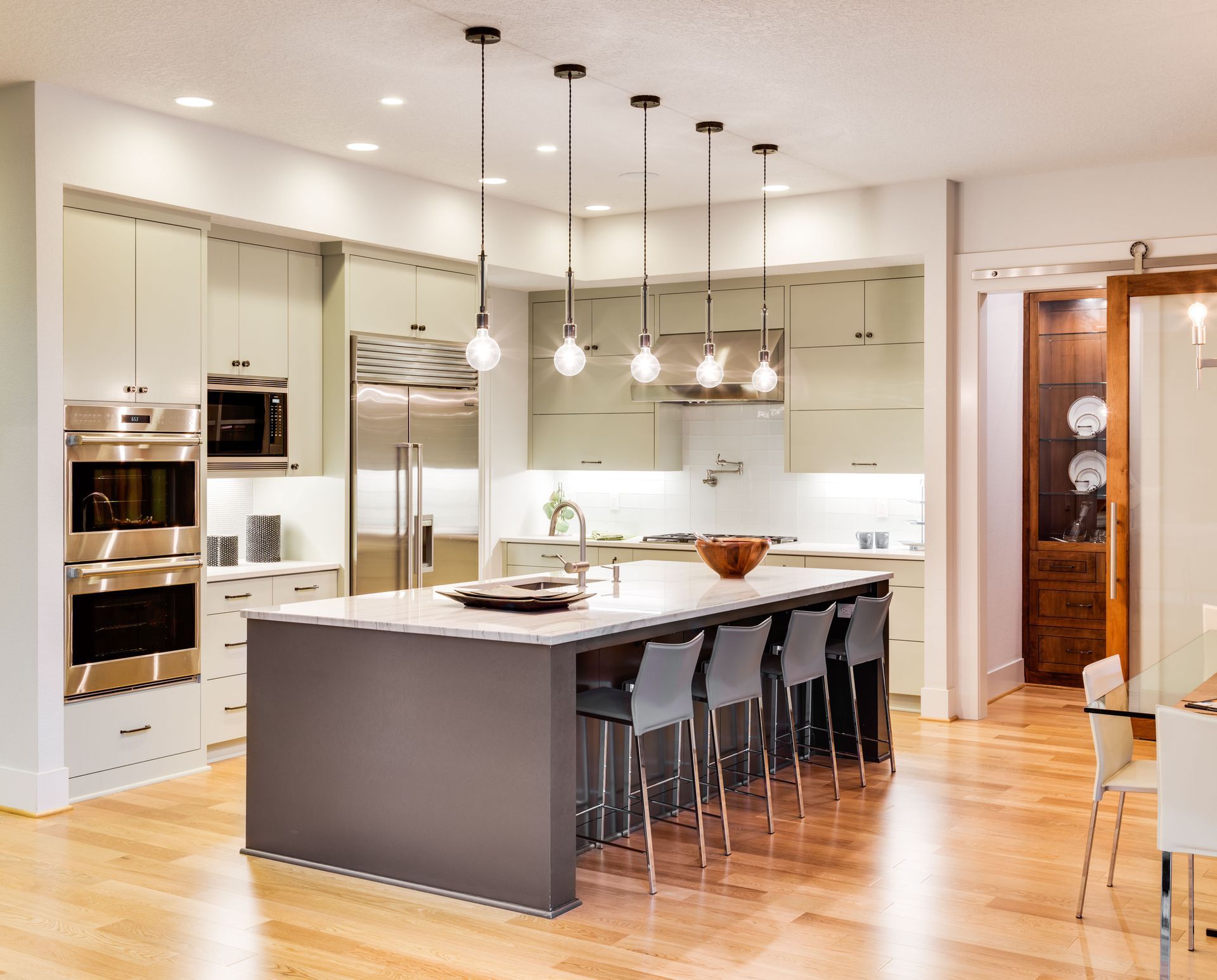
Modern interior design strategies heavily prioritize cohesive, architectural continuity across open-concept residential layouts. In these highly visible environments, contemporary cabinetry serves a crucial role by providing a smooth, integrated stylistic transition between the food preparation zones and adjacent dining or living spaces. Homeowners no longer view storage as an isolated structural necessity; instead, it is treated as an architectural anchor that establishes the foundational design language of the entire modern home.
According to the 2026 US Houzz Kitchen Trends Study, More than three-quarters of homeowners (76%) incorporate built-in features during a kitchen renovation, with pantry cabinets leading the list of options (47%).
This compelling market insight underscores a definitive consumer shift toward highly integrated layouts that optimize spatial boundaries. By choosing built-in options over standalone pieces, modern homeowners utilize layouts where custom kitchen cabinets act as the primary design anchor. Furthermore, these contemporary configurations often integrate minimalist flush panels, concealed mechanical touch-latches, and seamless floor-to-ceiling profiles that make the storage elements appear as an intrinsic, structural part of the home's architecture. Consequently, the rising demand for sophisticated, built-in storage ecosystems drives the constant development of versatile, multi-functional design matrices that effortlessly accommodate the dynamic needs of modern multi-cook households.
Innovations in Materials, Textures, and Finishes
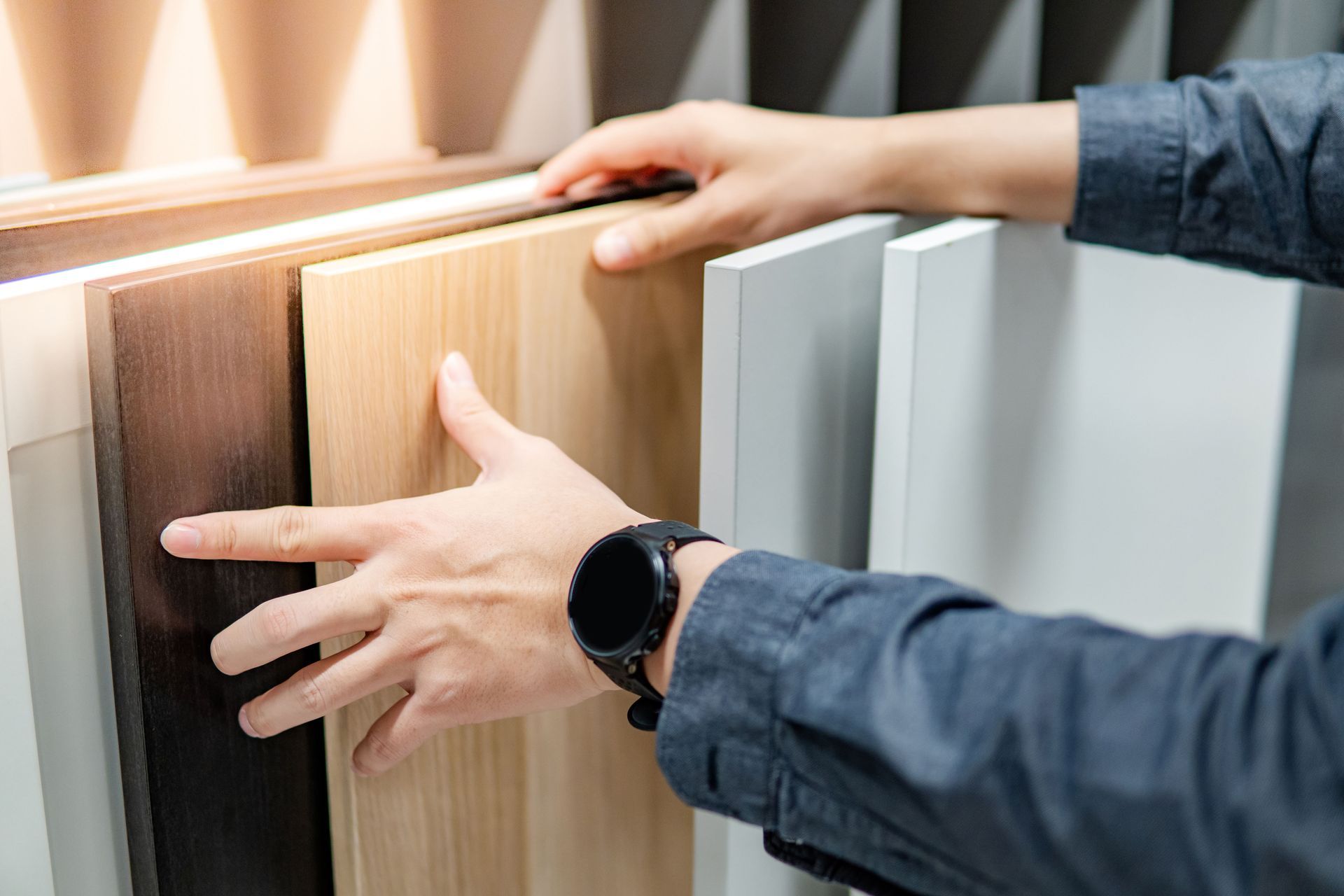
Material selection dictates how surfaces handle high traffic, directly influencing how well spaces withstand thermal fluctuations, ambient moisture, and mechanical impact. The structural performance of synthetic materials in kitchen cabinets has risen due to their exceptional resilience, structural stability, and broad design flexibility. Engineered substrates like premium medium-density fiberboard (MDF) and advanced high-pressure laminates allow fabricators to deliver flawless, non-porous surfaces that are completely immune to the splitting, warping, and expanding that often plague traditional raw lumber exposed to steam and water.
Furthermore, current material trends showcase an exceptional convergence of ecological responsibility and high-end visual luxury. Forward-thinking homeowners increasingly prioritize sustainable, rapidly renewable alternatives such as architectural bamboo, architectural wheatboard, and certified reclaimed timber to reduce their ecological footprint. These eco-friendly choices are routinely paired with ultra-low or zero-VOC waterborne finishes, ensuring pristine indoor air quality while protecting household members from chemical off-gassing.
Concurrently, the surface industry has witnessed a shift in tactile aesthetics, moving away from high-gloss surfaces toward ultra-matte, anti-fingerprint finishes and deeply embossed wood-grain textures that add visual depth. These advanced coatings resist oils, scratches, and household chemicals, guaranteeing that the high-traffic perimeters retain their structural integrity through decades of continuous daily exposure.
Functional Features and Smart System Customization
True engineering excellence in modern cabinetry is ultimately verified by the structural features hidden directly behind the exterior panel faces. The internal architecture of storage systems has evolved significantly, replacing static, unreachable deep corners with smart spatial layouts that maximize internal capacity. As a direct result, smart spatial layouts have become a defining element of modern kitchen cabinets.
Incorporating smooth-glide blind corner pull-outs, heavy-duty vertical pantry roll-outs, and touch-activated deep drawer matrices ensures that every square inch of interior space is entirely accessible. These specialized internal hardware systems utilize industrial-grade soft-closing dampeners and under-mount mechanical slides that operate quietly under substantial weight loads, preventing doors from slamming and reducing structural wear.
Additionally, the rapid proliferation of automated smart-home technology has fundamentally transformed how these physical storage zones interact with users. Modern custom configurations frequently feature seamlessly integrated low-profile LED strip lighting that illuminates interior shelves upon opening, touchless motion-sensor panels, and hidden pop-up charging stations dedicated to electronic devices. This profound integration of heavy-duty mechanical hardware and smart technology ensures that the modern culinary workspace operates at peak ergonomic efficiency.
Aesthetic Adaptability Across Diverse Styles
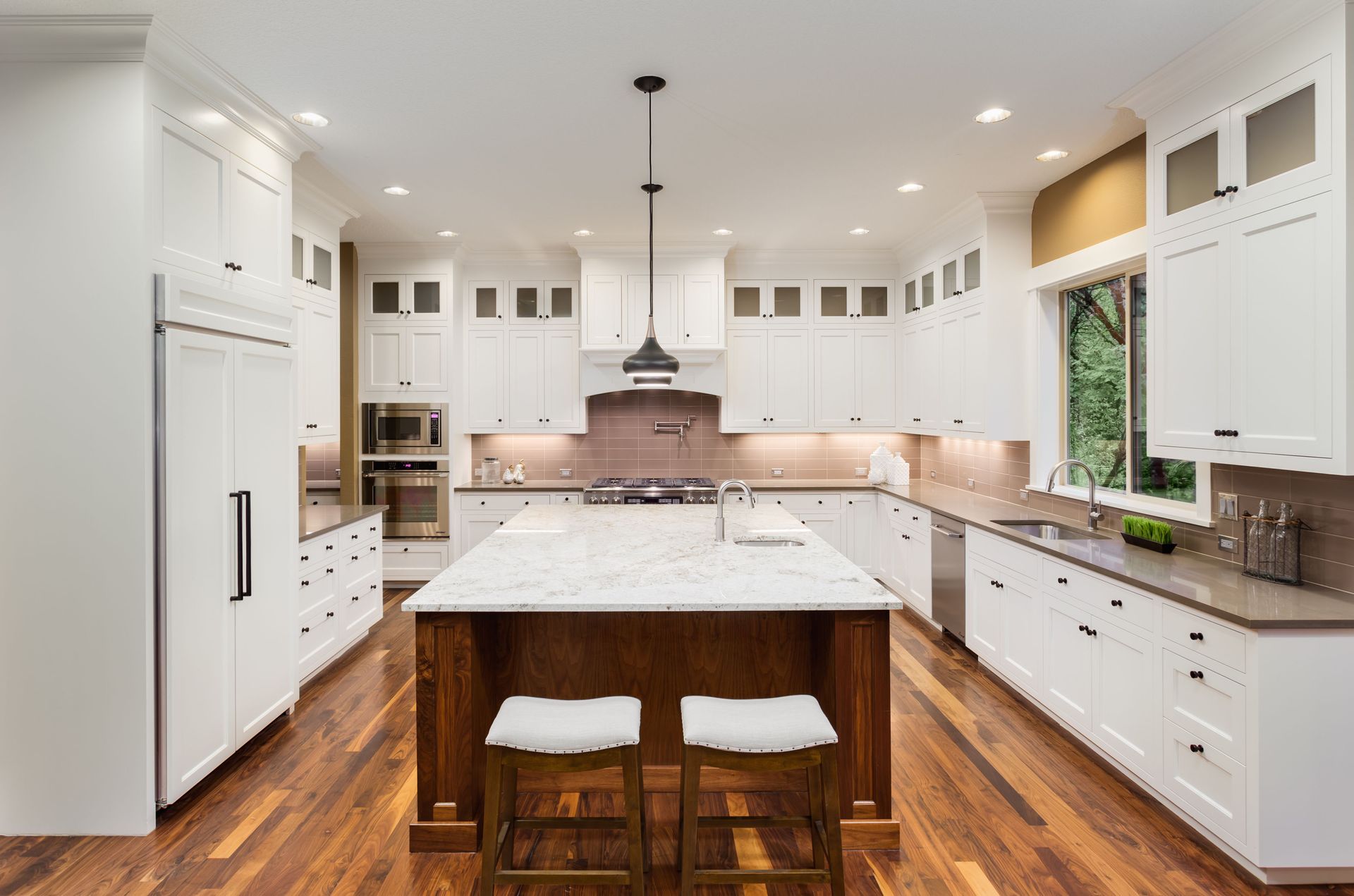
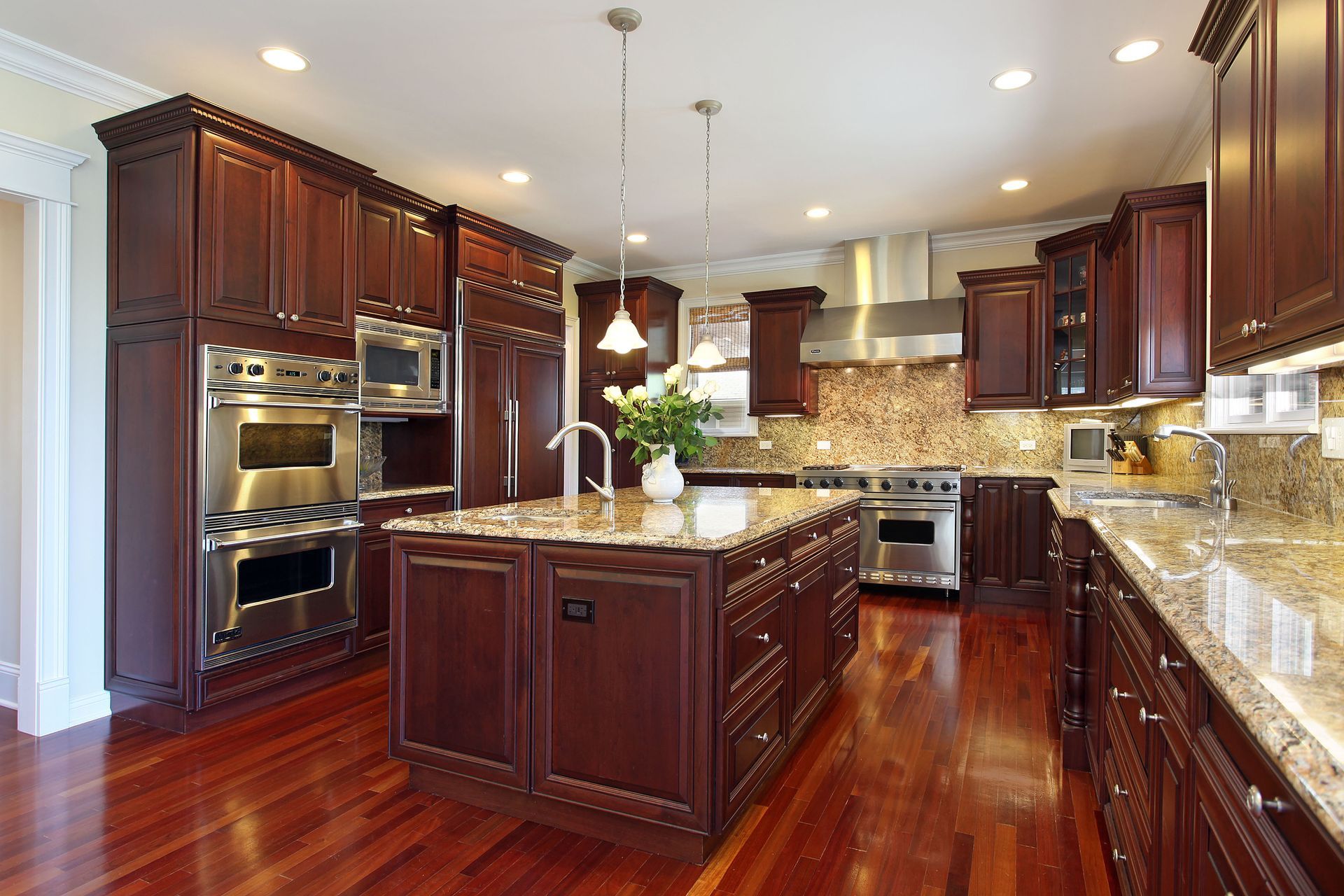
The extraordinary versatility of custom millwork allows it to adapt seamlessly to any architectural style, from highly ornate historical settings to raw, industrial open lofts. Traditional and classical kitchen cabinets are characterized by deep, ornate details, classic raised-panel doors, and rich hand-applied glazes that highlight natural wood characteristics, providing an enduring sense of warmth and permanence.
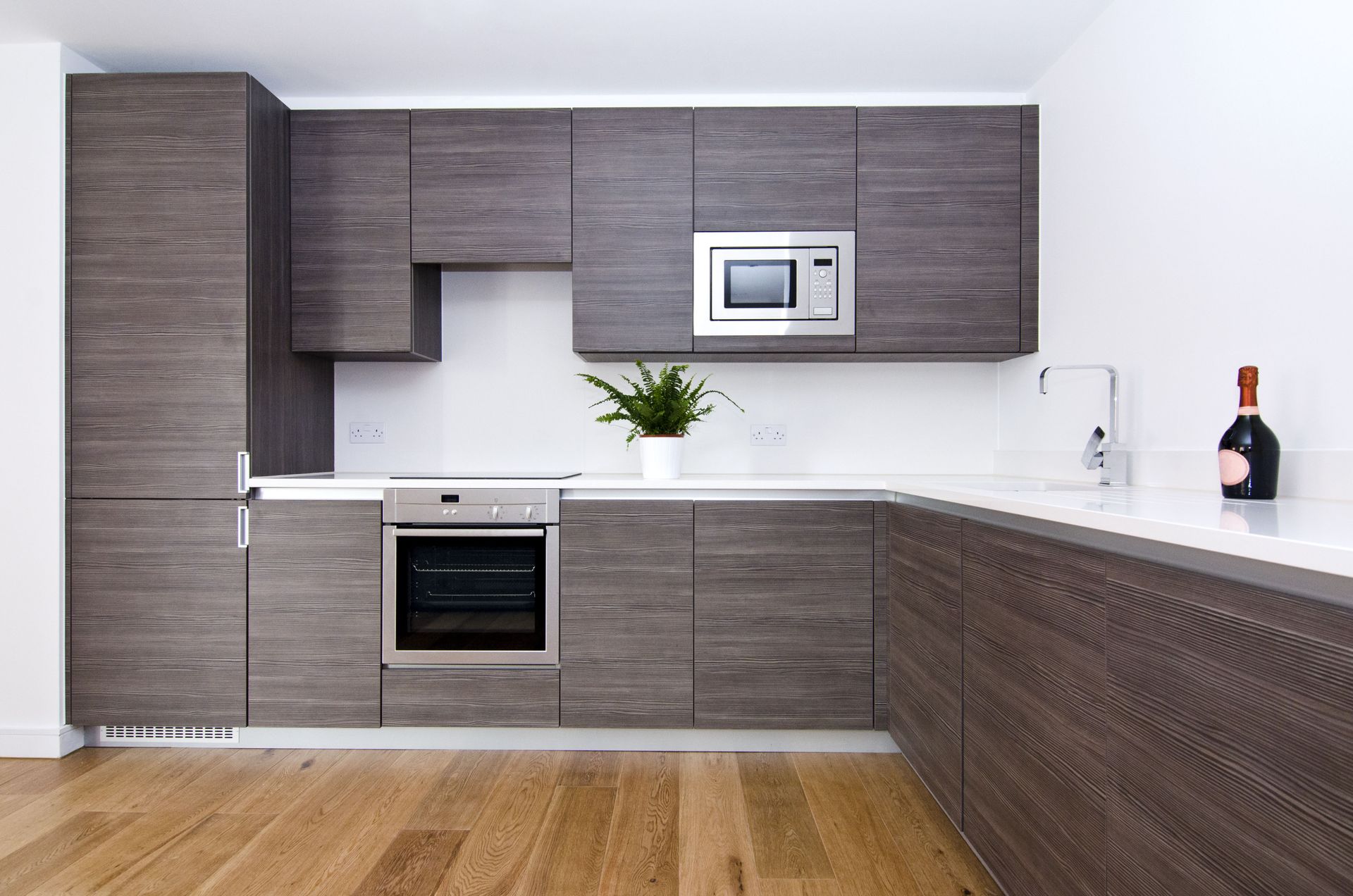
Conversely, ultra-modern and minimalist approaches eliminate all unnecessary superficial details, utilizing completely flat slab doors, integrated J-pull channels, and monochromatic color schemes to foster a clean, tranquil environment. For homeowners seeking an eclectic or rustic aesthetic, designers frequently blend open architectural iron shelving with rough-sawn timber panels, creating a rugged contrast that highlights raw, unrefined material beauty. This exceptional adaptability ensures that custom storage remains the absolute focal point of any interior design strategy.
Architectural storage systems represent the foundational element of any successful residential renovation, serving simultaneously as the primary driver of everyday workspace efficiency and the dominant visual anchor of the home. As built-in configurations continue to define modern interior design priorities, custom storage systems lead the industry by providing unmatched material durability, smart technological integrations, and highly personalized configurations.
Ultimately, investing in premium kitchen cabinets elevates not only the macro functionality and aesthetic harmony of your culinary workspace, but it also delivers exceptional long-term financial returns by boosting your property's overall market value. When you are ready to elevate your home with master-level craftsmanship, precision installation, and architectural design expertise, trust the dedicated design professionals at Coastal Home Cabinetry to craft the flawless, built-in environment your lifestyle demands.
Share On: