
5 Facts About Local Kitchen Cabinet Companies
Kitchen cabinets play a major role in the appearance, functionality, and organization of a home. From providing convenient storage to establishing the overall style of a cooking space, cabinetry influences how homeowners use and enjoy their kitchens every day. Choosing the right cabinets involves more than selecting an attractive finish. It also requires thoughtful planning, an understanding of available materials, and careful consideration of long-term needs.
Working with local kitchen cabinet companies can help homeowners explore cabinetry options that complement their homes and personal preferences. Understanding what these professionals offer, how cabinetry decisions affect daily routines, and which details deserve attention can make the selection process easier. By learning a few important facts about kitchen cabinetry, homeowners can approach their next improvement project with greater confidence.
1. Understand the Value of Professional Cabinetry Guidance
Kitchen cabinets must balance visual appeal with practical performance. Homeowners need storage solutions that accommodate cookware, dishes, pantry essentials, and other everyday items without making the room feel crowded. Professional guidance can help identify cabinet configurations that make the best use of the available space while supporting a cohesive design.
Experienced cabinetry professionals can also explain the differences between construction styles, finishes, hardware, and storage features. These details influence how cabinets look, function, and hold up under regular use. Rather than choosing products based solely on appearance, homeowners can consider how each option fits their household's routines and maintenance preferences.
Another important consideration is how cabinetry complements the surrounding design. Cabinet doors, drawer fronts, countertops, backsplashes, flooring, and lighting all contribute to the finished appearance. Coordinating these elements helps create a kitchen that feels intentional instead of visually disconnected. Professional input can make it easier to evaluate combinations before committing to a particular direction.
2. Explore Materials, Finishes, and Construction Options
Cabinet materials affect durability, maintenance, appearance, and overall project costs. Solid wood, plywood, medium-density fiberboard, and other engineered materials offer different characteristics. Understanding these differences helps homeowners choose cabinetry that suits their expectations without overlooking practical considerations such as moisture exposure, cleaning requirements, and everyday wear.
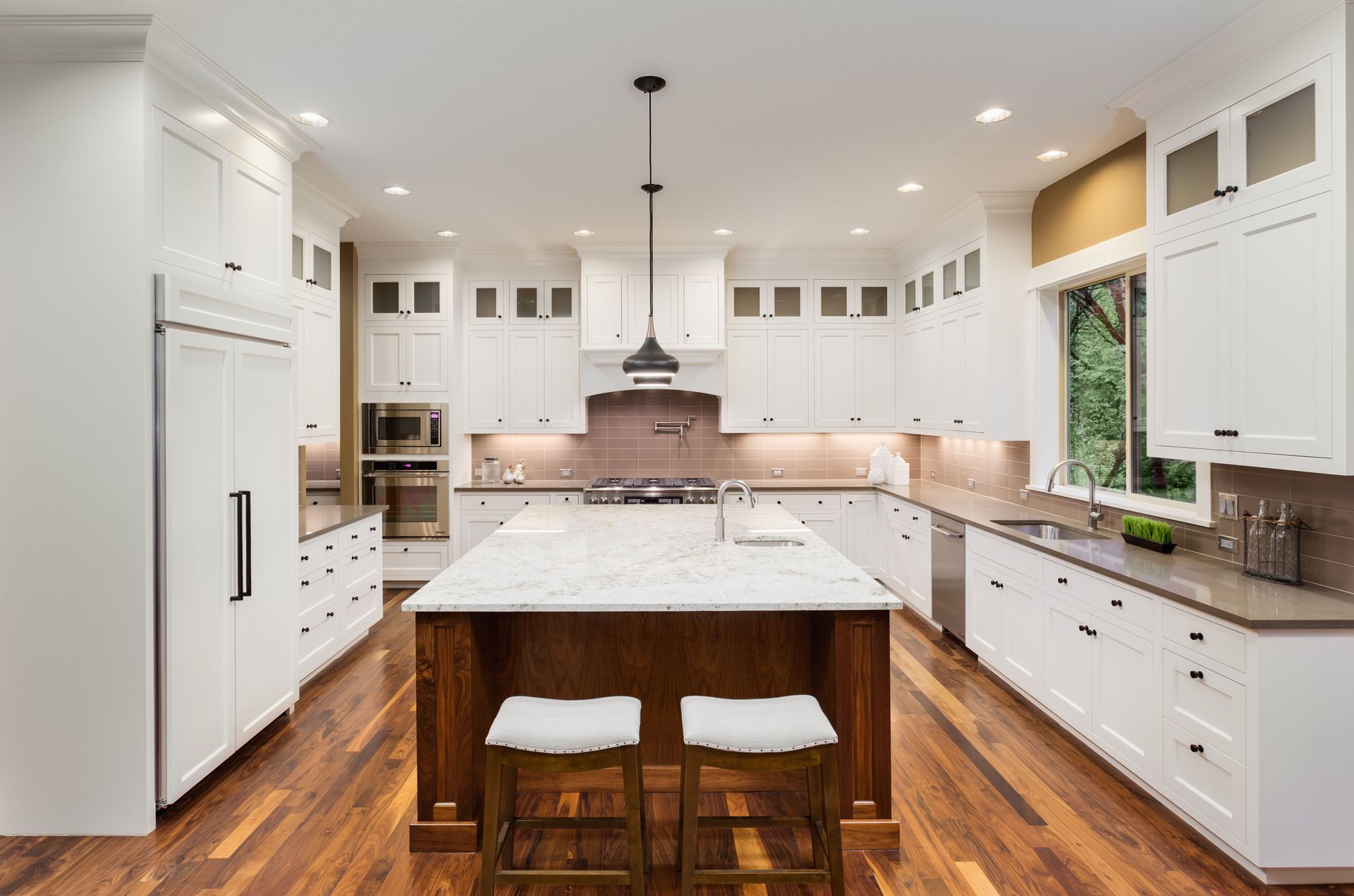
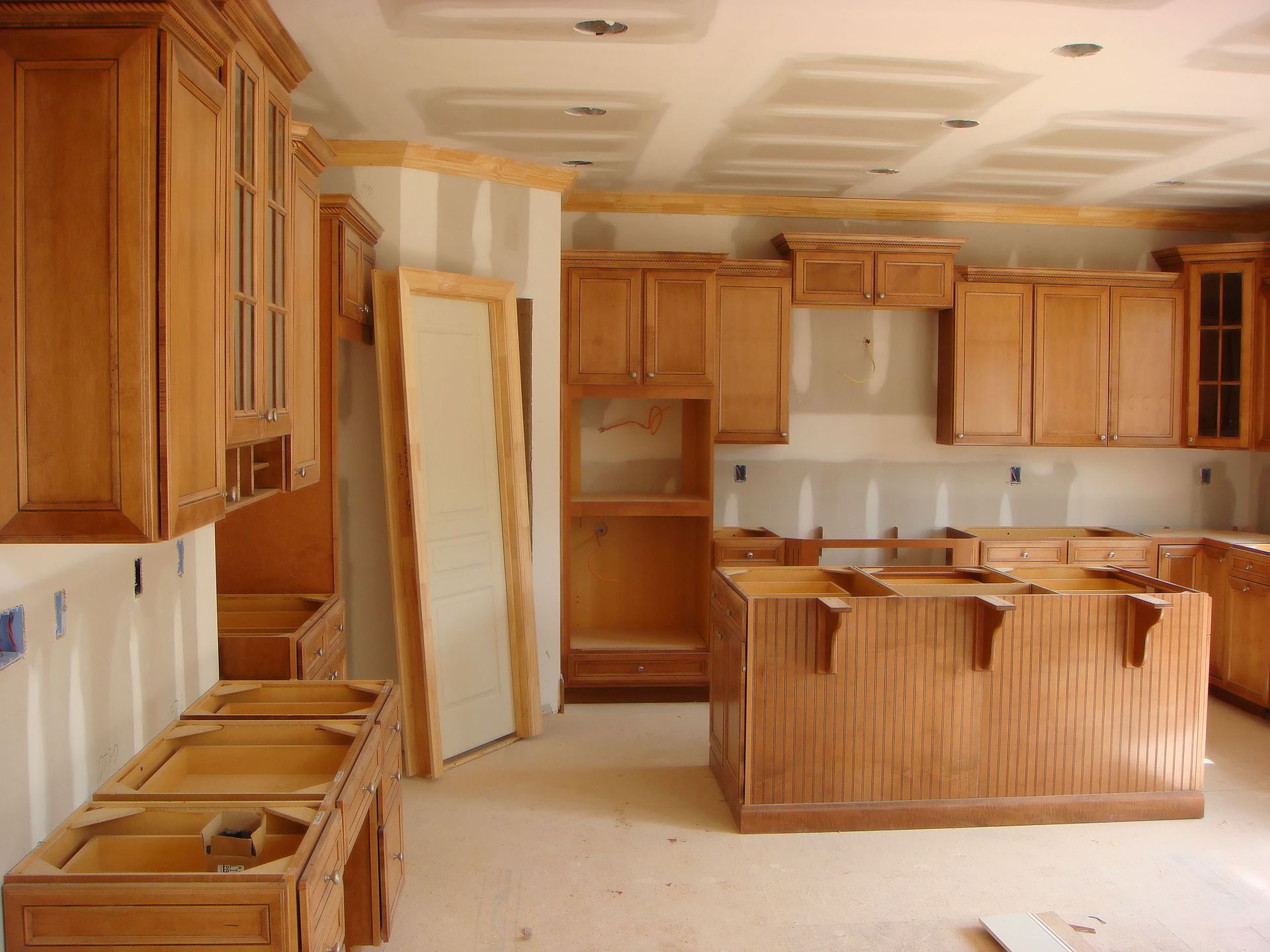
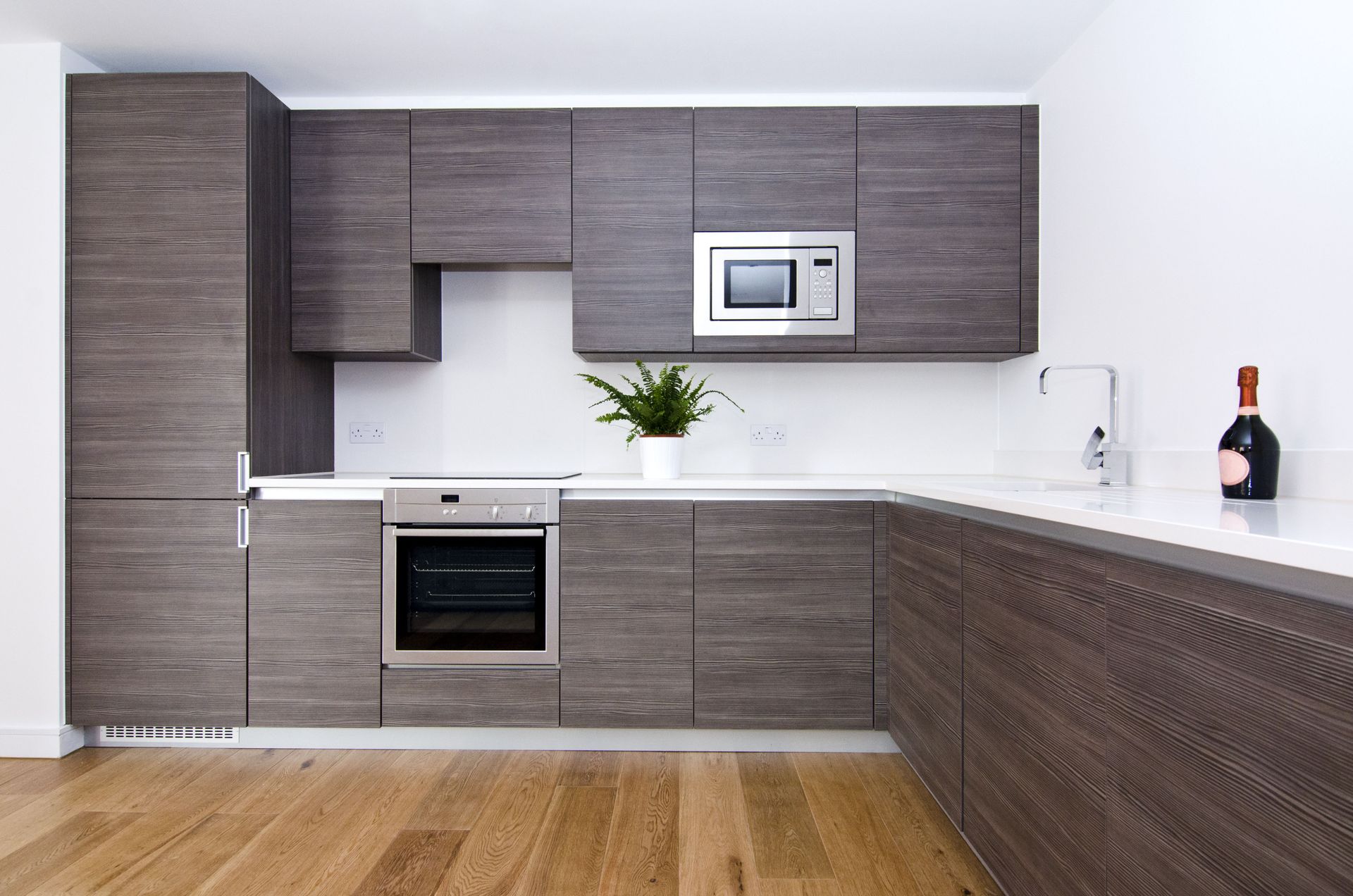
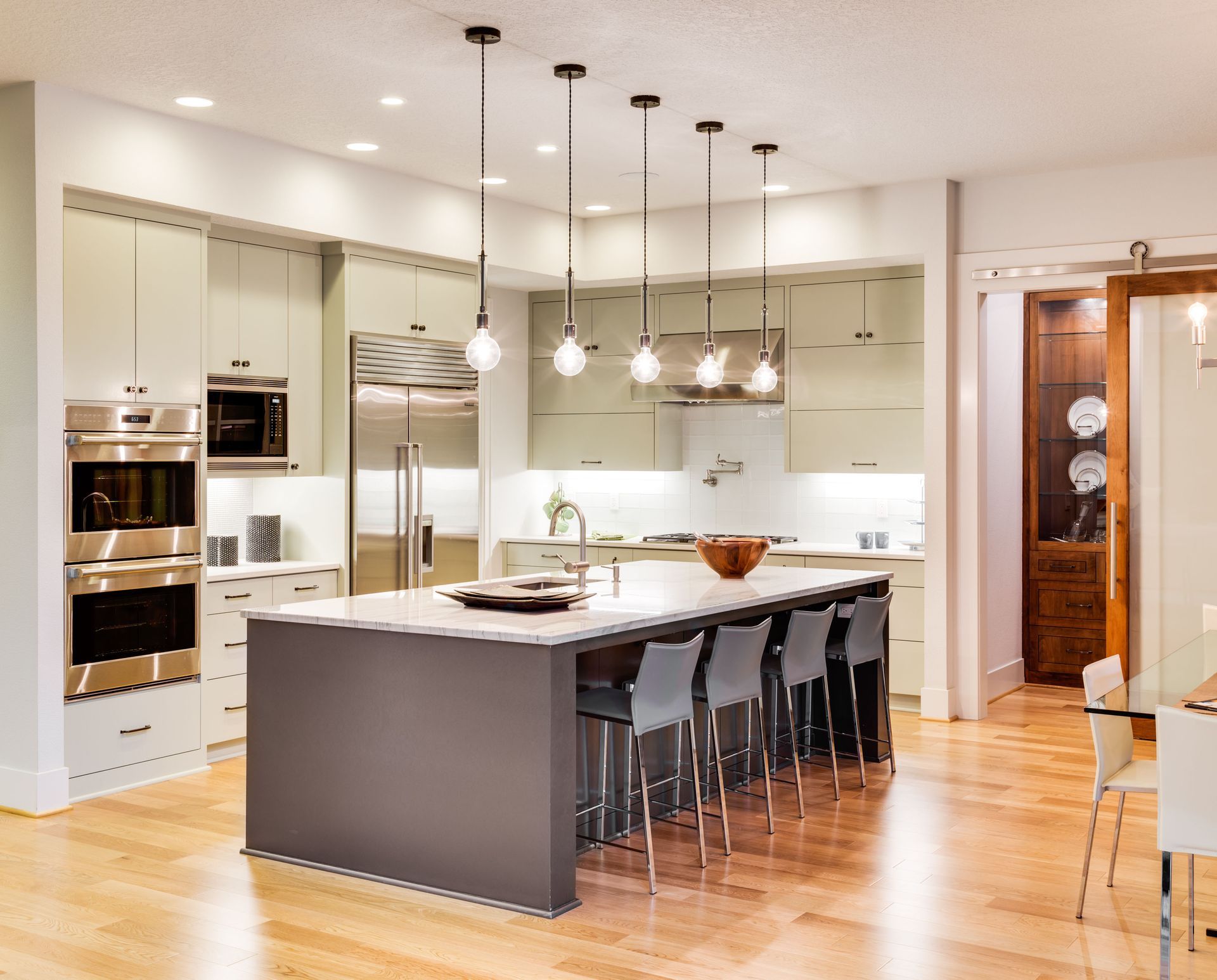
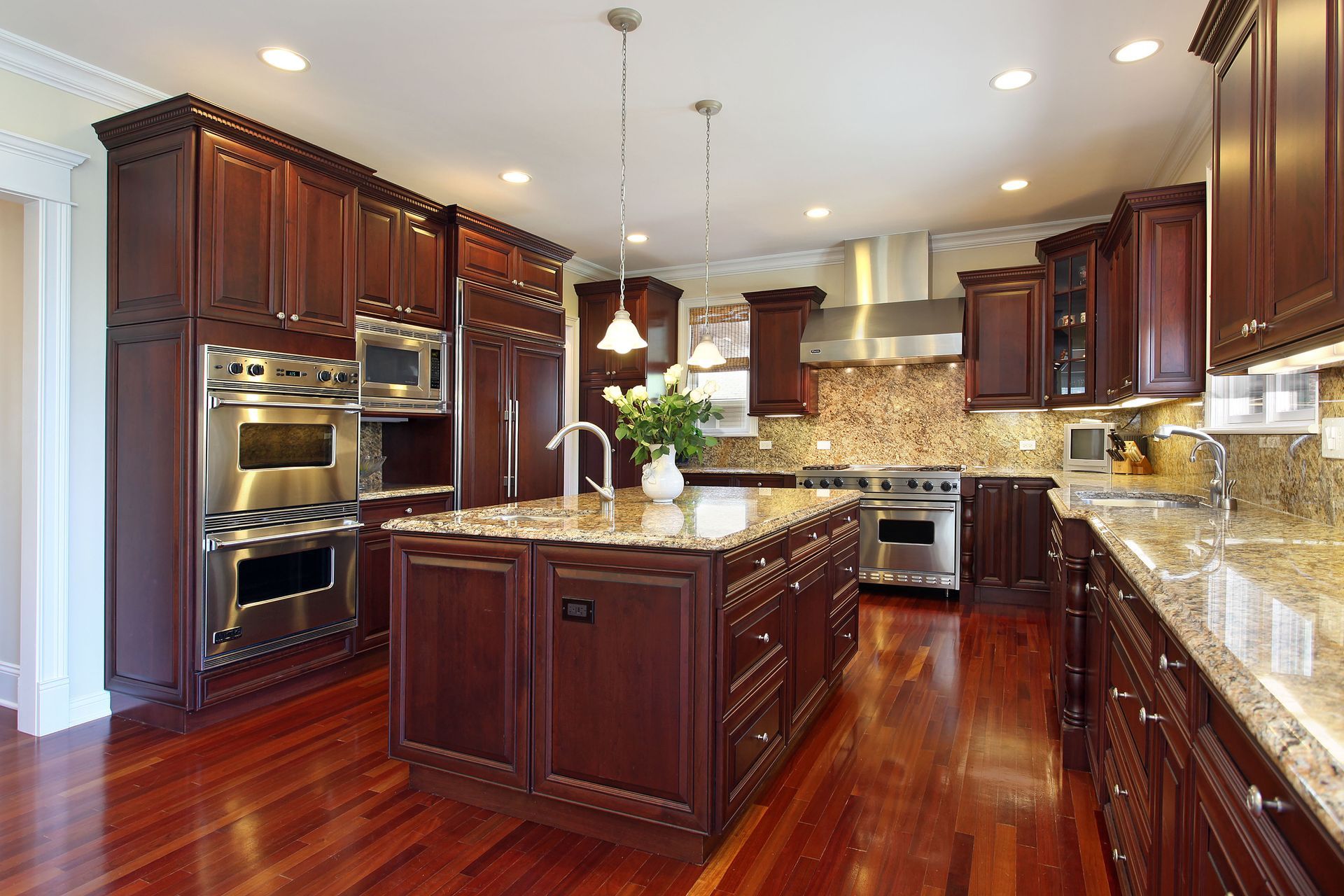
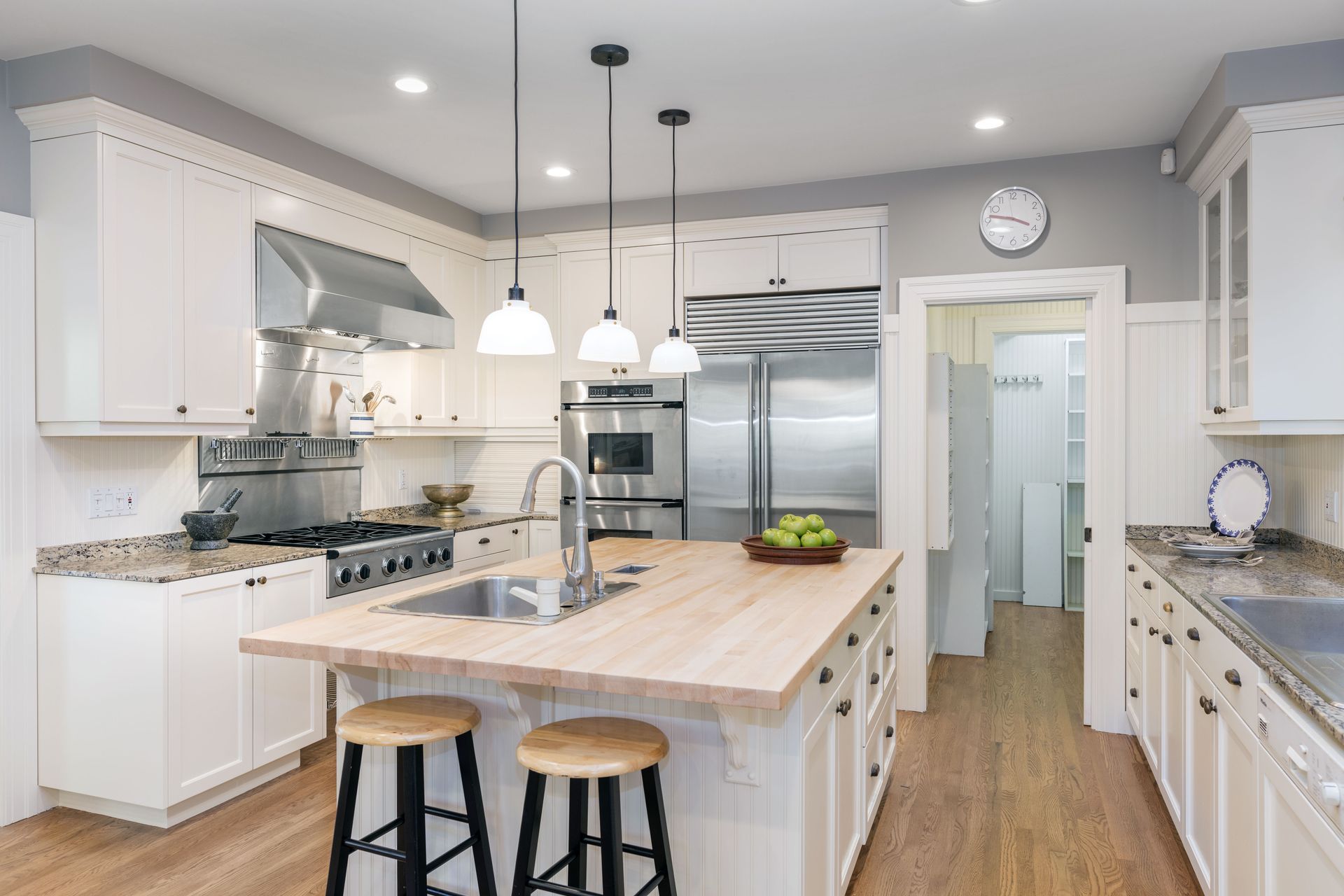
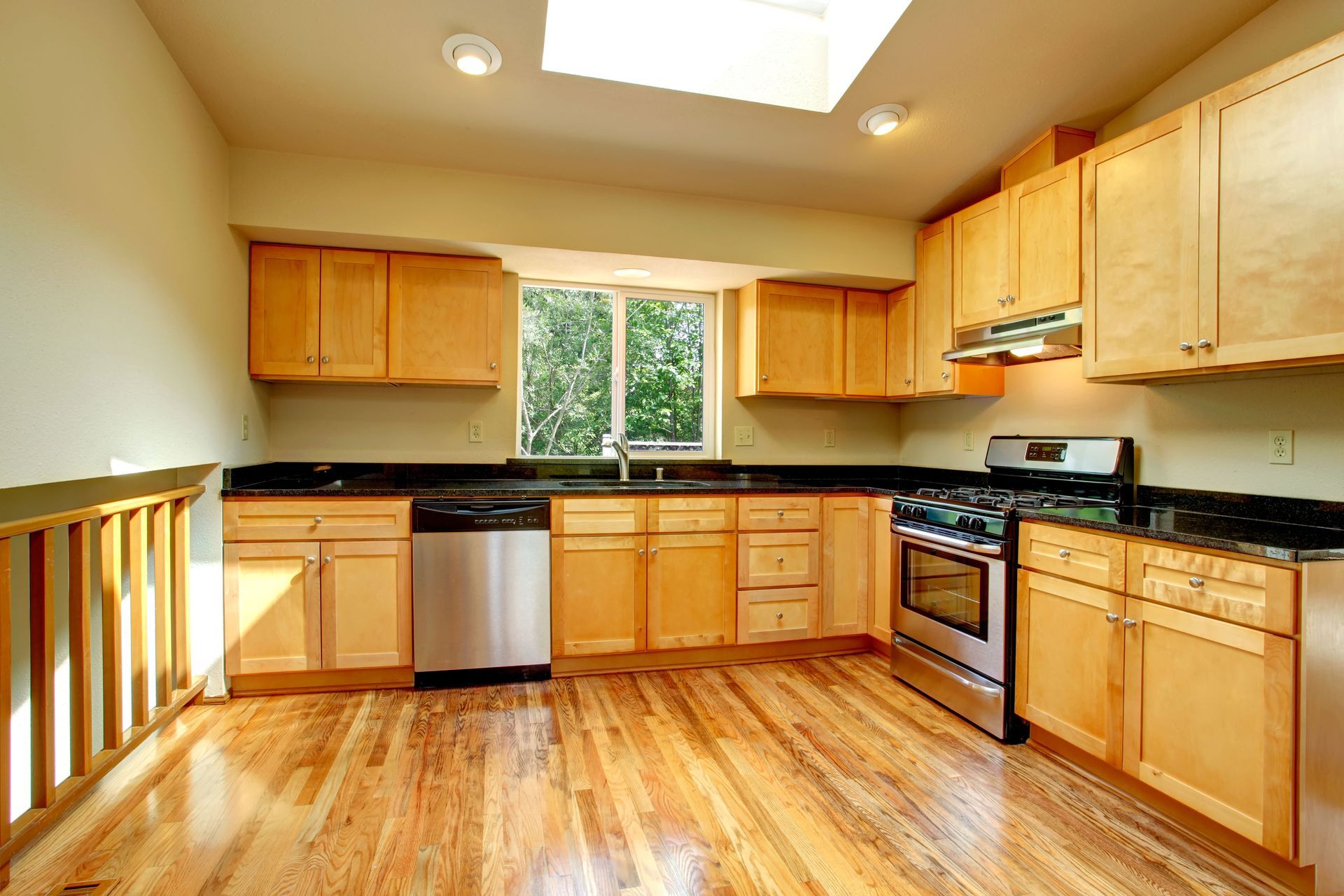
Finishes also influence the atmosphere of a kitchen. Light-colored cabinets can make a room feel brighter, while darker finishes may create a dramatic appearance. Natural wood tones introduce warmth and texture, and painted surfaces provide opportunities to coordinate cabinetry with existing architectural features. The right choice depends on the desired style and the way the kitchen connects with the rest of the home.
Hardware deserves attention because it contributes to both appearance and usability. Drawer pulls, cabinet knobs, hinges, and soft-close mechanisms can improve the overall experience of using the space. Homeowners should consider how these components feel in everyday use and whether their finishes complement the selected cabinetry.
When evaluating local kitchen cabinet companies, ask about the available construction options, finish selections, and customization opportunities. Understanding what each provider offers makes comparisons more meaningful and helps homeowners identify solutions that meet their design goals. Clear information about materials and installation requirements can also help prevent misunderstandings as the project progresses.
3. Recognize the Importance of Storage and Layout
A beautiful kitchen should also support the way people cook, clean, entertain, and move through the room. Cabinet placement affects accessibility, countertop workspace, and the organization of everyday essentials. Thoughtful planning can reduce clutter and make frequently used items easier to reach without sacrificing the overall design.
Homeowners should consider how they currently use their kitchens before selecting cabinet configurations. Deep drawers may be useful for pots and pans, while adjustable shelving can accommodate items of different sizes. Pullout organizers, corner storage solutions, and dedicated spaces for small appliances can help make otherwise difficult areas more functional.
The relationship between cabinetry and kitchen traffic patterns matters as well. Cabinets should work alongside appliances, sinks, and preparation areas rather than obstructing movement. Careful planning can help maintain convenient access to essential work zones while preserving adequate room for opening doors and drawers.
Storage needs may also change over time. Families may acquire additional cookware, entertain more frequently, or adjust their routines. Choosing flexible organizational features can help a kitchen remain useful as household needs evolve. A thoughtful layout makes daily tasks more convenient and helps homeowners get greater value from their cabinetry investment.
4. Consider Long-Term Value and Industry Trends
Kitchen cabinetry is an important part of home improvement because it influences both the usability and perceived appeal of a property. Well-planned cabinets can make a kitchen feel more organized, cohesive, and attractive. However, homeowners should evaluate value through more than immediate appearance, considering construction quality, maintenance needs, functionality, and compatibility with the home's overall design.
Market conditions can also influence the cabinetry options available to homeowners. According to IBISWorld, the American cabinetry market is projected to expand over the coming five years, reflecting anticipated growth in the industry. This outlook highlights the continuing relevance of cabinetry within the broader home improvement market, although individual product availability, prices, and project timelines may vary.
Trends can provide inspiration, but they should not be the only factor guiding a cabinetry decision. Popular finishes and design features may change, while a household's practical requirements are likely to remain important. Selecting cabinets that complement the home and support everyday activities can help create a design that remains appealing beyond a particular trend cycle.
Homeowners should also consider how maintenance affects long-term satisfaction. Some finishes may show fingerprints or scratches more readily than others, and certain materials require specific cleaning methods. Asking about care recommendations before making a selection can help homeowners understand the commitment associated with their preferred cabinetry.
5. Compare Providers and Prepare for Your Project
Selecting a cabinetry provider requires careful consideration of the services and options available. Homeowners should look for clear communication, detailed product information, and a willingness to discuss design goals. A productive consultation should address the intended use of the space, preferred appearance, storage requirements, and any existing conditions that could influence the project.
Comparing local kitchen cabinet companies is more effective when homeowners evaluate similar factors across each provider. Product selection, customization options, material quality, installation arrangements, and project expectations all deserve attention. Reviewing these details together provides a clearer picture of what each option includes and whether it aligns with the intended outcome.
Budget planning is another essential step. Cabinet costs can vary according to materials, dimensions, construction methods, hardware, and customization. Homeowners should clarify which services and products are included in a proposal and ask about potential additional expenses.
Before work begins, homeowners should establish their design preferences and confirm relevant project details. Measurements, appliance placement, plumbing considerations, and electrical features may affect the final cabinet layout.
It is also useful to gather inspiration images and identify the features that matter most. Separating essential requirements from optional upgrades makes design conversations more productive. With clear priorities and informed comparisons, homeowners can make decisions that balance aesthetics, convenience, and financial considerations.
Kitchen cabinetry is a meaningful investment in the comfort and functionality of a home. By understanding construction options, prioritizing storage, considering long-term performance, and evaluating providers carefully, homeowners can create a space that reflects their needs and style. Explore your cabinetry possibilities with Coastal Home Cabinetry and take the next step toward creating a kitchen that works beautifully for your home.



Share On: